










Evolution of the Super Bowl: A Look at Game Changes
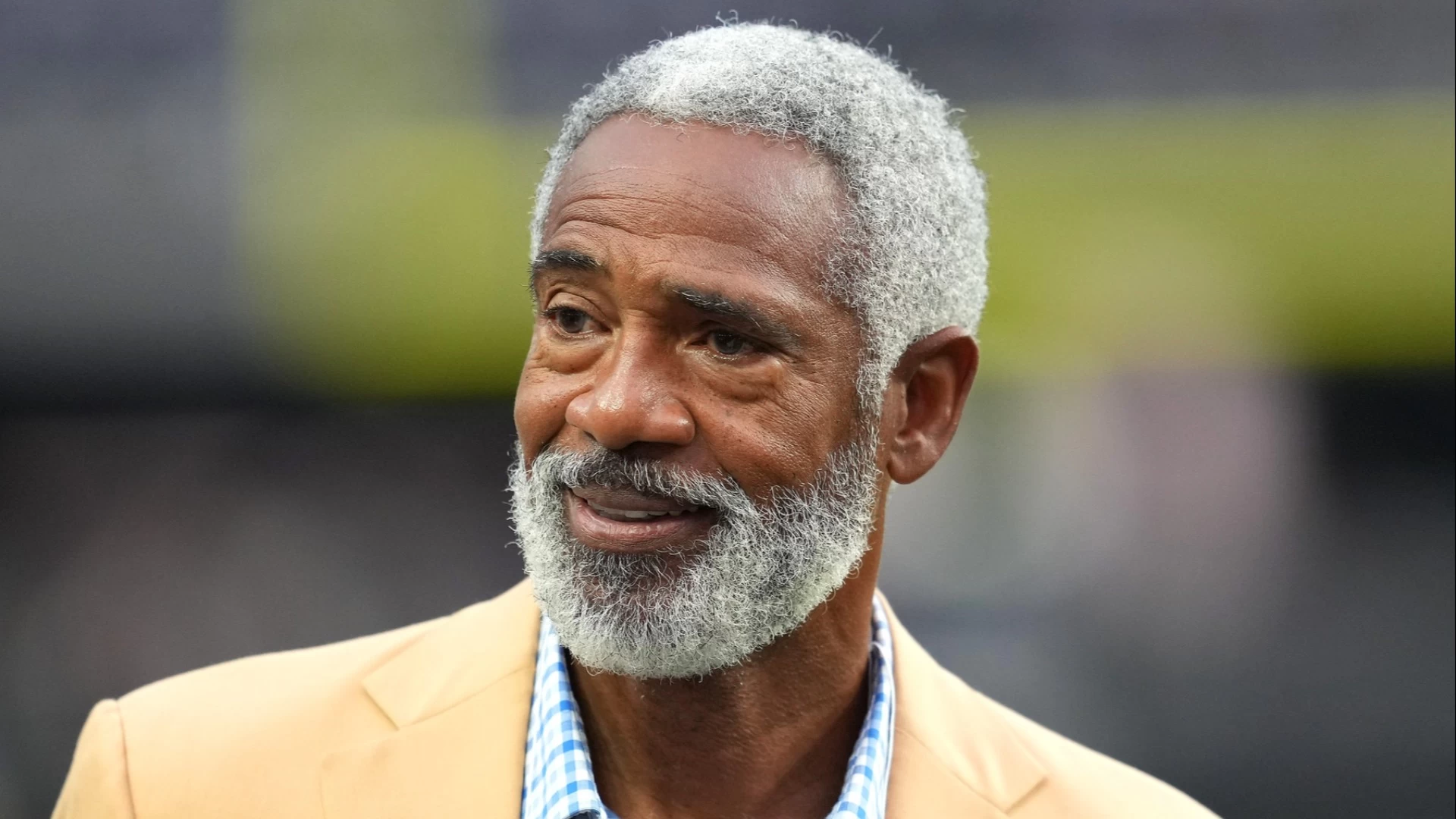
Segment Spotlight: Quick Hits From Outspoken With Dan Sileo
The Evolving Dynamics of the NFL From Super Bowl 18 to Today
The Super Bowl and the world of NFL football have undergone significant changes since Super Bowl 18, illustrating a stark evolution in gameplay and strategy over the years. Historically, the game relied heavily on running backs, often expecting them to carry the ball over 30 times a game. This contrasts sharply with the modern approach where there is a greater emphasis on the quarterback's role, involving more passing plays and strategic ball placement.
Defensive strategies in the NFL have also seen profound changes. Today's players are not only physically larger, faster, and stronger, but they also bring a higher level of intelligence to the game. Advances in technology and analytics have dramatically altered the way defenses are coordinated. The complexity of defensive plays has increased, requiring players to be swift and more precise in their understanding of space and tackling techniques. As a result, the game that used to be likened to playing in a "phone booth" has now expanded into playing in "space."
The enhancements in technological resources available to teams today cannot be understated. Current players and coaches have access to tools that allow detailed analyses on various aspects of the game, right from their computers. This accessibility to information has particularly benefitted younger players, enabling them to reach high performance levels quickly and efficiently. The shift from physical film study sessions to digital study has revolutionized preparation, allowing players to focus deeply on specific areas of interest or need.
The evolution from past to present in the NFL reflects not just advancements in physical training and strategic execution, but also in the intellectual approach to football, shaping a faster, smarter, and more engaging game for players and fans alike.





BETTING NEWS
FUTURES

