










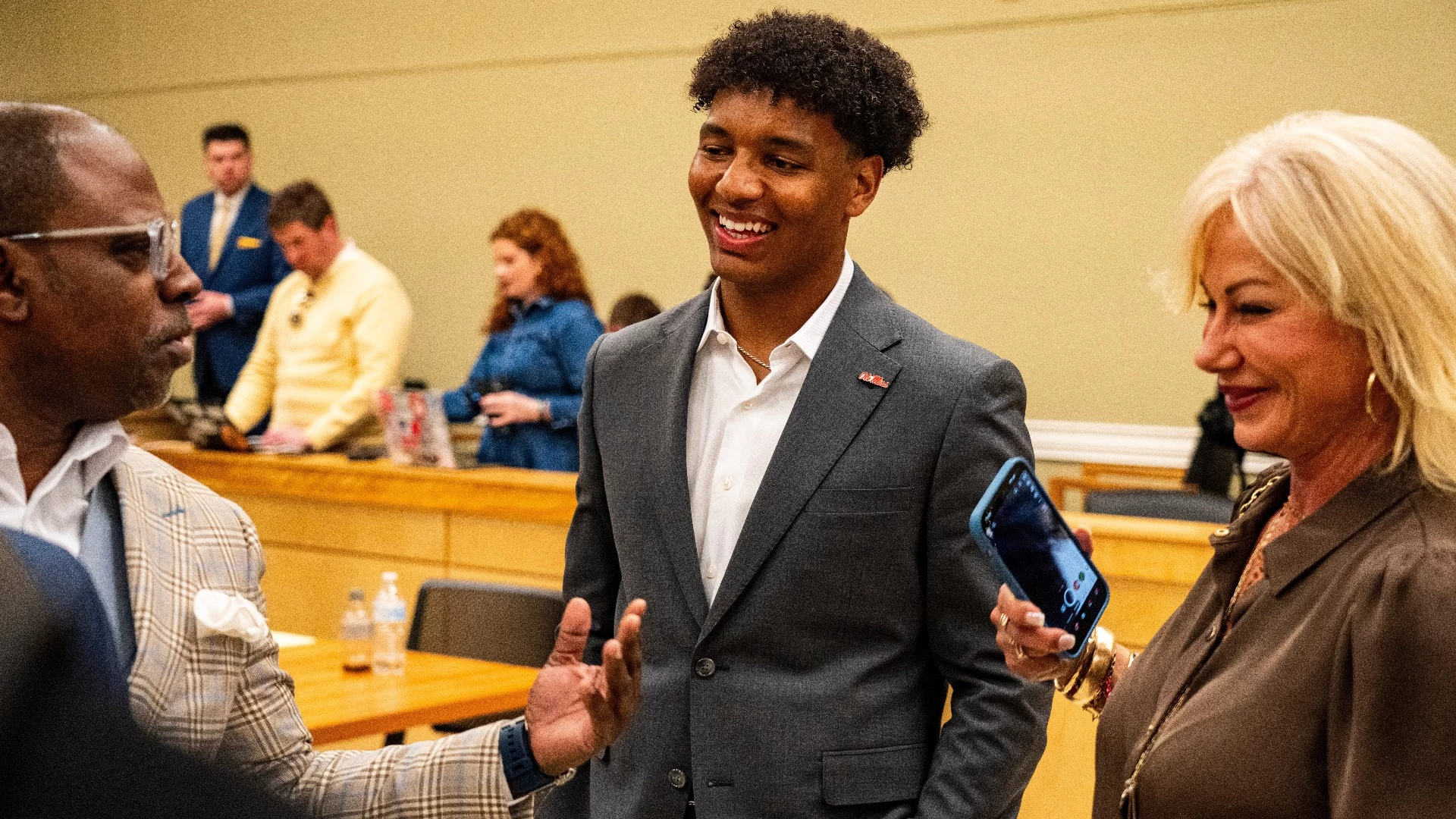
Ole Miss QB Trinidad Chambliss Granted 6th Year of Eligibility

Joe Raineri
Host · Writer
Segment Spotlight: Quick Hits From The Early Line Live
Exploring the Complexities of NCAA Eligibility and Legal Battles
The conversation around NCAA eligibility has taken on new complexities in recent years. It used to be straightforward—your eligibility expires, and you move on, either to professional sports or another career. However, the current landscape has changed dramatically, with some players resorting to legal actions to extend their college sports careers.
Historically, the rules were clear. Post-high school, athletes had five years to use up four years of eligibility, including the possibility of a redshirt year if needed. Transfer students from junior colleges had their own set of rules that usually allowed two years of play at a Division 1 or Division 2 level. Everyone understood and played by these rules.
But today, athletes are finding ways to manipulate the system. An example is Chambliss who, despite running out of eligibility, leveraged an unsubstantiated medical condition from his early college days to claim an additional year of play. When initial legal efforts failed, the strategy shifted to trying different courts to find a favorable ruling.
This approach bore fruit when a Mississippi judge granted an injunction allowing Chambliss to play for Ole Miss again, a decision immediately appealed by the NCAA. This case exemplifies the lengths to which players, motivated by potential multimillion-dollar earnings from Name, Image, and Likeness (NIL) deals, will go to extend their time in college sports.
The suggestion to simplify the rules to a strict five-year eligibility window reflects a growing frustration with the ongoing legal maneuvers and the shifting grounds of college athletics. Such a rule could streamline the system but might also clash with the financial incentives increasingly influencing college sports.
This evolving scenario underscores a landscape where traditional paths to professional careers are being reconsidered in light of significant financial stakes, showing just how dramatically money has begun to influence the structure and spirit of college sports.





BETTING NEWS
FUTURES

