


Malik Beasley Case Fuels Calls for NBA Prop Bet Caps

Craig Mish
Host · Writer
Segment Spotlight: Quick Hits From Game Time Decisions
Malik Beasley Case Fuels Debate Over NBA Prop-Bet Limits
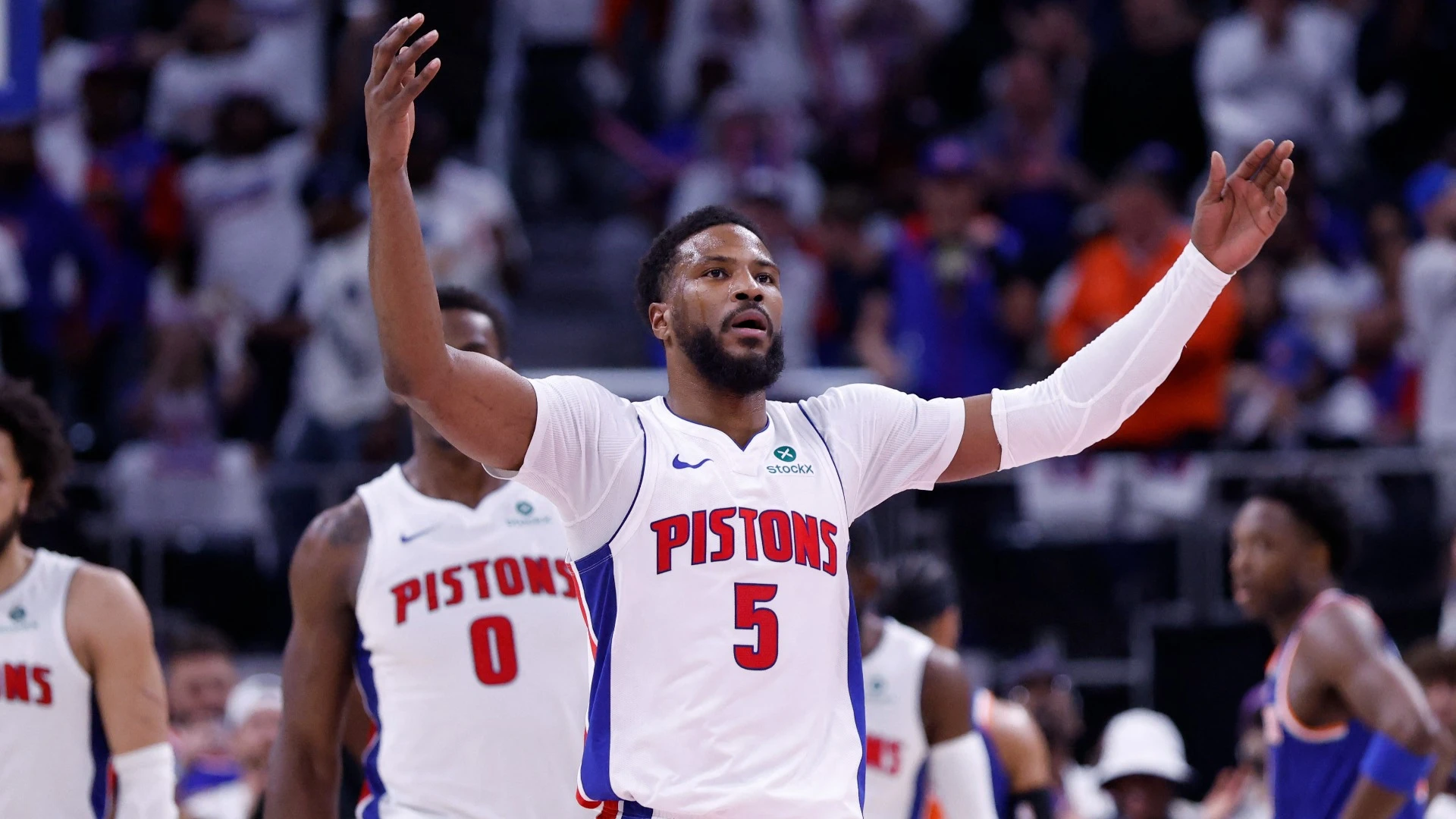
The discussion opened with Malik Beasley and a federal sports betting case involving six people. According to the segment, Beasley plans to change his plea and plead guilty, making him the fourth person in the case to admit wrongdoing.
The hosts said Beasley was admitting to manipulating his statistics in at least four NBA games. They argued that unusual betting activity, such as someone placing $100,000 on the under for a player’s rebounding total, makes this type of activity easier to detect.
The proposed solution was to impose low maximum wagers on player props. The hosts suggested limits ranging from $500 to $1,000, arguing that players would have little incentive to manipulate their performances when so little money was available. They said larger limits create opportunities for bettors to risk hundreds of thousands of dollars on individual player statistics.
They also questioned why sportsbooks want to keep large prop wagers available, including major bets on the points or rebounds recorded by players such as LeBron and James Harden. In their view, allowing wagers of that size means similar problems will continue.
The conversation also touched on how statistical manipulation could be directed toward an over rather than an under. A player trying to exceed a rebounding total would need to pursue the required number, while staying under could involve intentionally failing to reach it.
The hosts compared the issue to bench-clearing incidents in baseball, arguing that automatic suspensions for anyone leaving the dugout could quickly discourage those confrontations. Their broader point was that straightforward rules could significantly curb both problems.
They concluded that low maximum bets on basketball props, at both the college and professional levels, would reduce the financial incentive. While some people might still take the risk across multiple sportsbooks, they argued that a $1,000 limit would make player involvement far less likely.
BETTING NEWS
FUTURES
