










Understanding Australia's Unique Sports Culture and Footy
Segment Spotlight: Quick Hits From The Contenders
The Staple Role of "Footy" in Australia's Sporting Landscape
In Australia, "footy" doesn't refer to soccer; it's a term deeply ingrained in the country's culture with various meanings across regions. In Sydney, footy primarily denotes rugby league, the dominant sport in New South Wales and Queensland. Conversely, in Melbourne, it signifies Australian rules football, the leading sport in Victoria, South Australia, and Western Australia. The term is occasionally linked to rugby union but seldom connected to soccer, notably so that the national soccer team is nicknamed with the prefix "soccer" to distinguish it clearly.
Australian Soccer: A Struggle for Talent and Influence
Australian soccer historically faces challenges in attracting the nation’s top athletes, primarily due to the sport's lower ranking in the national sports hierarchy. The smaller population, around twelve times less than that of the USA, further narrows the talent pool. Unlike the outside perception that aligns Australia closely with the United Kingdom, its football culture predominantly stems from other migrant communities. This is evidenced by influential figures like Les Murray, with his Hungarian origins, and clubs with Mediterranean roots such as South Melbourne and Melbourne Knights, which produced notable players like Ange Postecoglou and Mark Viduka.
Evolution and Challenges of the Socceroos
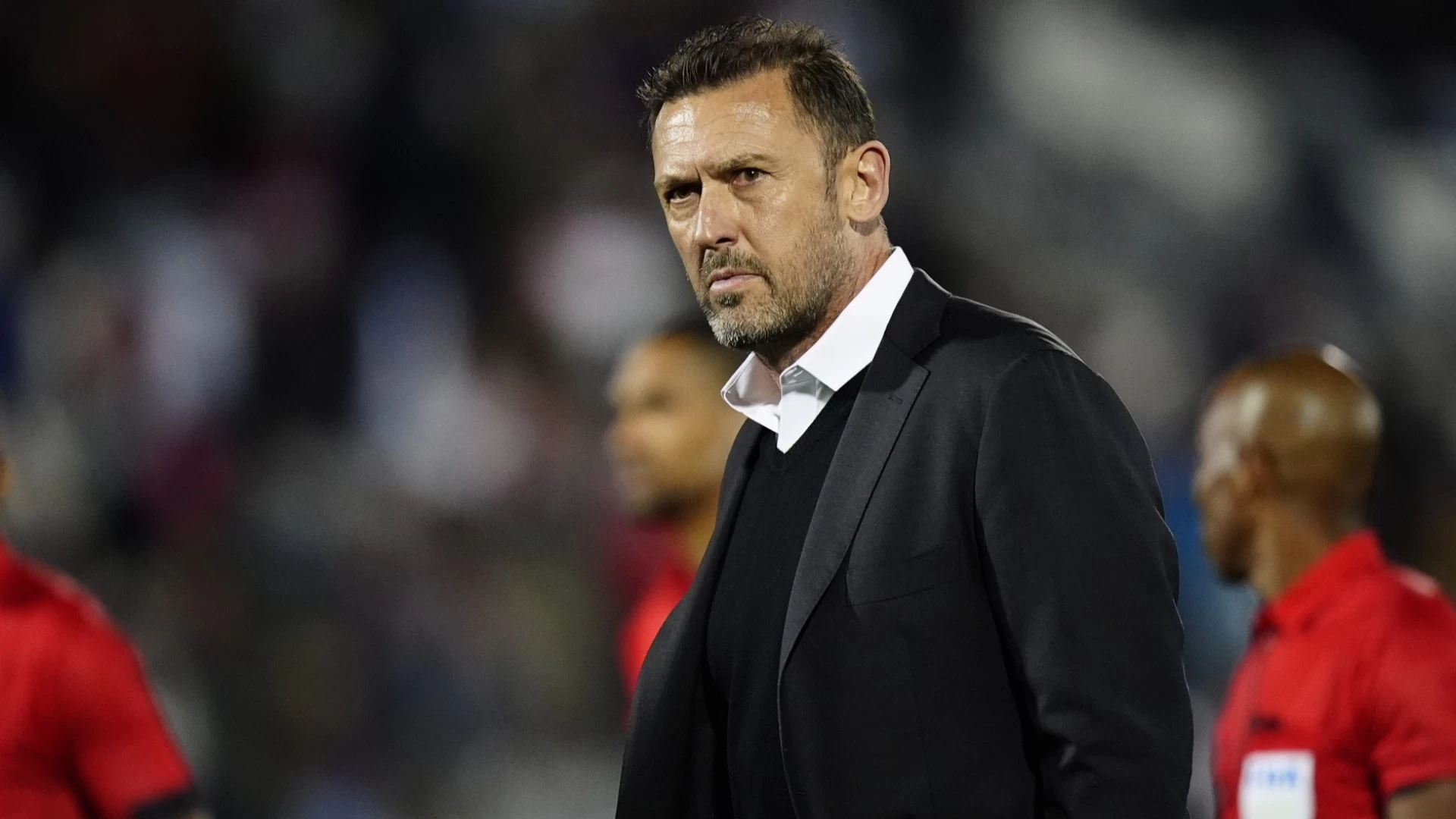
Transitioning to the Asian Football Confederation in 2006 from the Oceania division marked a pivotal shift for Australia. This move, highlighted by their 2015 Asian Cup win under Postecoglou's leadership, has allowed them consistent participation in World Cup finals since 2006. However, this consistent presence masks a declining production line of talent, with few players making significant impacts in European leagues. The national team's strategy under coach Tony Popovich focuses on rigorous defense, utilizing a formation that supports resilience over flair, making Australia one of the underdogs in international competitions.
Key Players and Future Prospects
Matt Ryan, with over a decade as the preferred goalkeeper and one of the few Australians to earn 100 caps, sees his starting position challenged by newcomers Joe Gauci and Paul Izzo. In defense, the towering figure of Harry Suter offers a strategic advantage in set pieces. The midfield features Jackson Irvine from FC St. Pauli, with varying partners like Middlesbrough's Riley McGree, depending on the opposition. The attacking duties rest on Craig Goodwin and Martin Boyle, providing essential pace and dynamism, though the team lacks a recognized leading goalscorer. However, promising talents like Mohammed Toure and Nestery Irankunda offer hope for future enhancements in offensive capabilities.








BETTING NEWS
FUTURES

