


Croatia's Football Journey: Passion, History, and Success
Segment Spotlight: Quick Hits From Football Nation
The Rise of Croatian Football: A Story of Passion, Talent, and National Pride
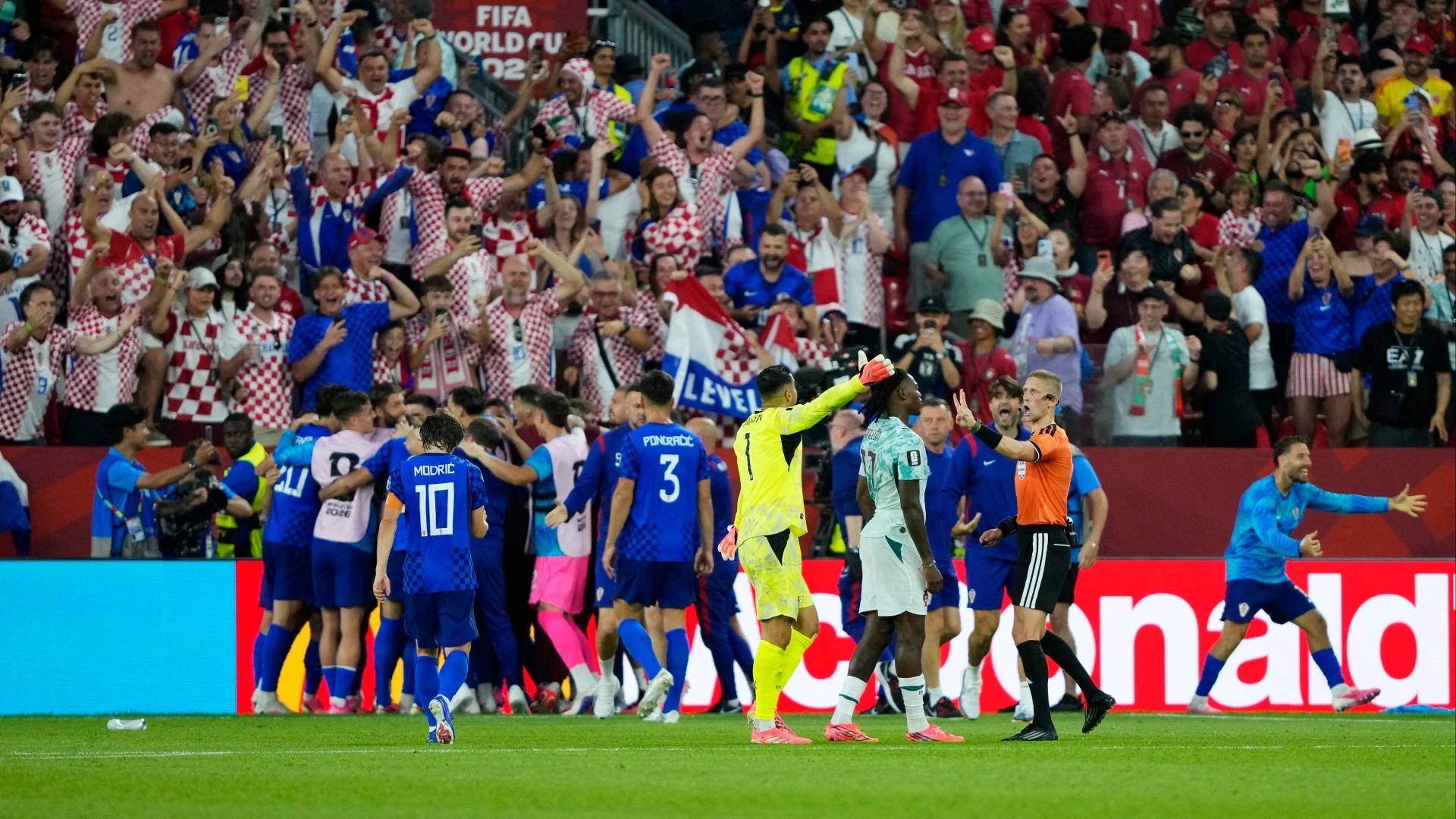
Football in Croatia is more than just a game; it's a vital part of the country's spirit and culture. Despite its modest population of just 4 million, Croatia's passion for football has propelled them to incredible international success. This includes reaching one World Cup final and two additional semi-finals within their first seven tournament appearances. This achievement reflects not only high skill levels among players but also one of the most intense and dedicated fan bases in Europe.
The history of Croatian football is deeply intertwined with the country’s political history. Recognized as an independent nation only in 1992, Croatia was part of Yugoslavia for much of the 20th century. During this period, Croatian footballers played key roles in Yugoslavia's formidable presence in international football, most notably in the 1950s and 1960s. The emergence of a "golden generation" of Croatian talent began just before the dissolution of Yugoslavia, signaled by an impressive victory at the 1987 FIFA World Youth Championship with players like Zvoimir Boban, Robert Prozinski, and Dabor Chouca.
After gaining independence, Croatia quickly made a name for itself on the international stage, highlighted by striking performances in major tournaments during the mid-1990s and late 1990s. This success can be attributed to the players' technical skills, creativity, and resilience. Their iconic kit, designed in 1990 by Miroslav Shutez — who also designed the nation’s flag and coat of arms — has become a symbol of national pride and a striking visual when worn by masses of fans.
Unfortunately, the intense passion for Croatian football has also led to instances of hooliganism and an uneasy mix of football with ethno-nationalism, a lingering effect of the Yugoslav breakup. Domestically, Dynamo Zagreb has been a powerhouse, clinching the majority of league titles post-independence and holding the distinction of being the only Croatian club to win a major European trophy with the Intercity Fairs Cup in 1967.
However, despite domestic success, Croatian clubs have struggled to translate this dominance onto the continental stage, influenced partly by economic factors. For example, the highest domestic transfer fee stands at just €5 million. Meanwhile, the Croatian model of exporting top talent, such as Luka Modric and Verdan Chorluka, to wealthier European leagues has sustained the national team, helping Croatia consistently punch above its weight in the global football arena.
Croatia's journey in football is a testament to their remarkable success and the unyielding spirit of a nation that loves its football deeply.



BETTING NEWS
FUTURES

