


Brazil's Rollercoaster Football Journey Under Scolari
Segment Spotlight: Quick Hits From Football's Greatest Stage
Brazil's Rollercoaster Ride in World Football
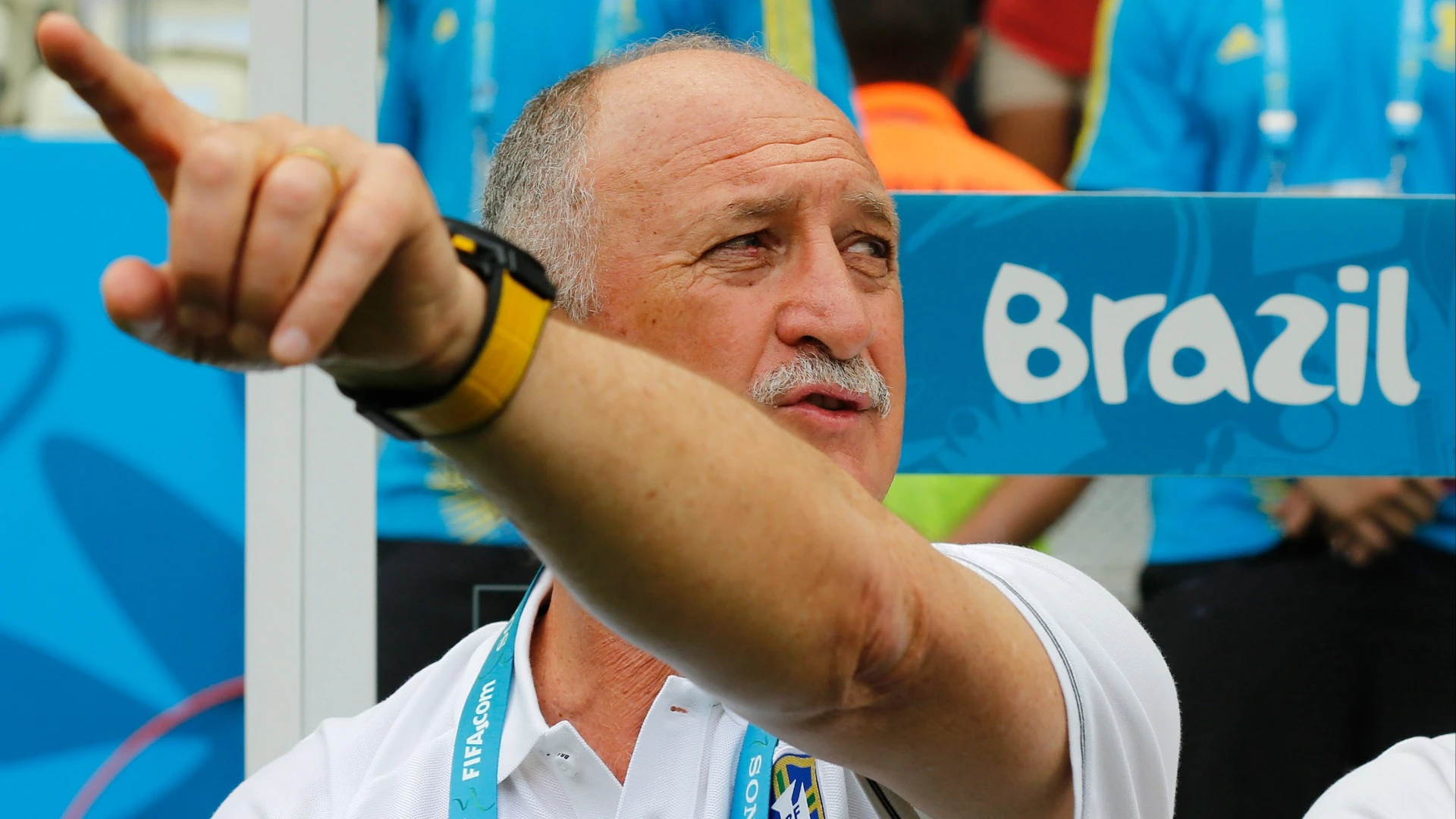
Brazil, a powerhouse in world football, boasts a record five World Cup victories, showcasing a history marked by both spectacular wins and devastating losses. The country's football narrative is heavily shaped by the highs of their 2002 World Cup triumph led by Ronaldo and the lows of the 2014 semi-final disaster. Luis Felipe Scolari, the mastermind behind these contrasting campaigns, remains a pivotal figure in Brazil's football saga.
In 2002, under the pressing challenge of a difficult qualification, Brazil turned to Scolari who guided the team to the World Cup. Despite a shaky start, Brazil, powered by the stellar performances of Ronaldo, Rivaldo, and Ronaldinho, excelled throughout the tournament. Ronaldo shone in the final against Germany, scoring twice and breaking the record for most goals in World Cup history. His efforts secured Brazil's fifth World Cup title, reinforcing Scolari's reputation as a decisive, albeit controversial, coach.
However, Scolari's coaching journey saw its share of turbulence. After Brazil, he had brief stints across various international clubs and returned to manage Brazil in 2012, ahead of the 2014 World Cup. Despite winning the 2013 Confederations Cup, the team's vulnerability was exposed during the World Cup. The absence of Neymar due to an injury in the quarterfinals and the subsequent 7-1 defeat against Germany left the nation in shock and questioned Scolari’s legacy.
Scolari's career encapsulates the essence of competitive sports—glorious victories and painful defeats, all unfolding on football's greatest stage. His journey with the Brazilian team reflects not only his tactical expertise but also the immense pressure and expectations placed on national coaches. Despite the mixed outcomes, Scolari's impact on Brazilian football remains undeniable.



BETTING NEWS
FUTURES

