


NFL’s ESPN Stake and the Impact on Sports Reporting
Segment Spotlight: Quick Hits From Outspoken With Dan Sileo
The Impact of Diminished Local Reporting on NFL Coverage
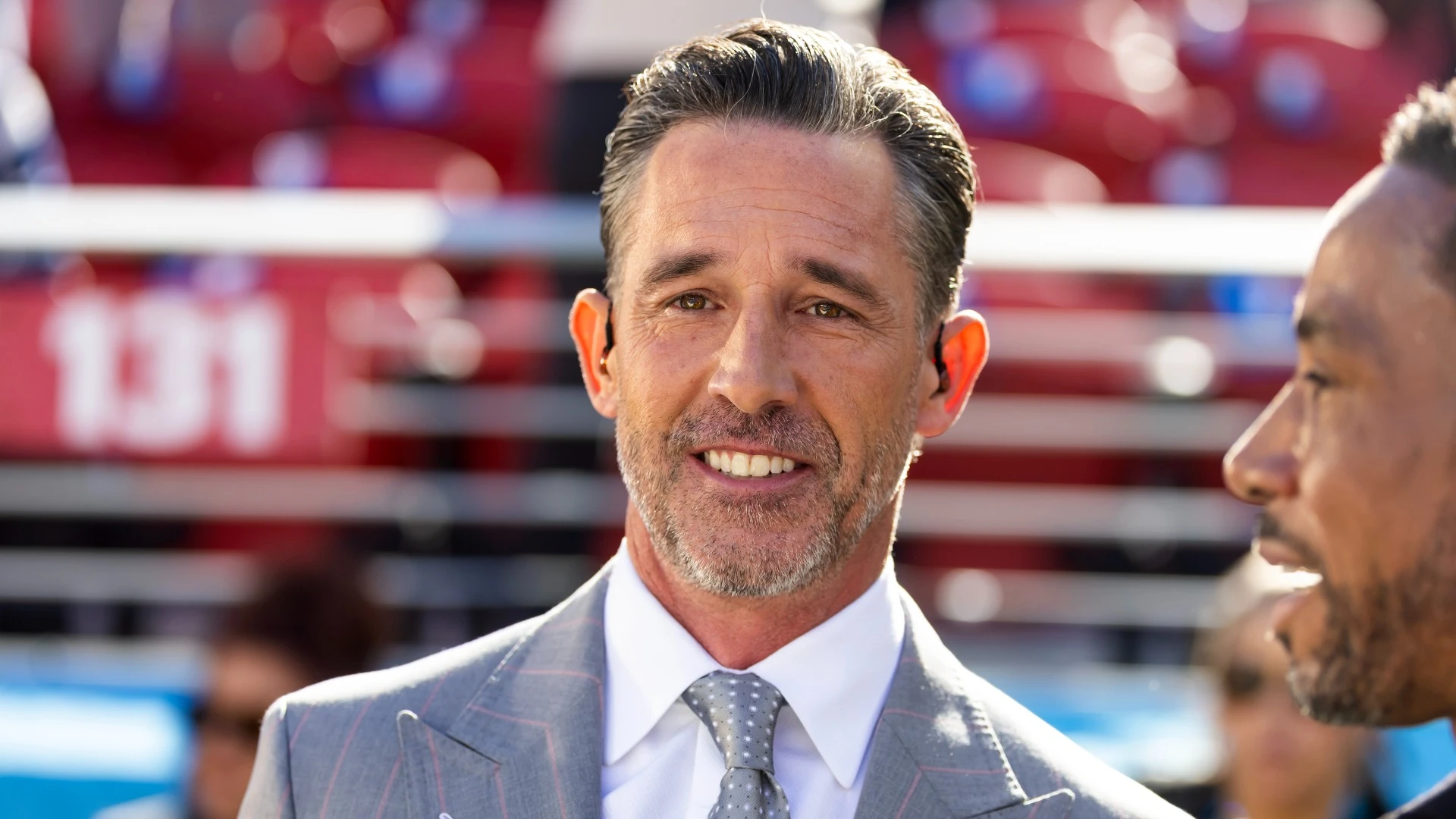
During a recent discussion on "Outspoken With Dan Sileo," the topic of NFL ownership stakes in media outlets like ESPN was broached, particularly highlighting how these relationships might influence sports reporting. The conversation shed light on an incident involving San Francisco 49ers head coach Kyle Shanahan, who was reportedly involved in a car accident a few weeks prior to the discussion. The accident was initially reported as severe based on the injuries Shanahan sustained, although the Palo Alto police did not classify the accident as severe.
Dan Sileo criticized the local media's inability to cover the story promptly and thoroughly, attributing this to a broader decline in local journalism. He noted that years ago, the media landscape in the Bay Area was bustling with numerous newspapers actively competing and investigating local stories. This robust environment ensured that significant incidents involving high-profile figures rarely remained unreported or underreported. However, the current media landscape in the Bay Area, according to Sileo, has dramatically changed, with only a handful of newspapers now in operation, thereby reducing the journalistic workforce available to cover such stories.
Sileo also discussed the wider implications of this reduction, suggesting that the decrease in local investigative journalism allows for stories to be kept quiet or under wraps longer than they might have been previously. He recounted anecdotes from his own experiences in the field, where relationships between reporters and local police were crucial in uncovering and accurately reporting news. The decline in such connections, he argues, directly correlates to less transparency and more opportunities for stories to be suppressed or delayed.
Furthermore, Sileo touched upon past incidents where infractions involving high-profile athletes were allegedly minimized or "went away," citing unnamed sources and cases to underscore his point about the potential for manipulation in sports reporting. He concluded with a general observation on the nature of news and reporting, implying that regardless of the time it takes for stories to emerge, the truth tends to surface eventually.



BETTING NEWS
FUTURES

