


NFL Week 5 Recap: Coaching Blunders & Game Analysis

Dan Sileo
Host · Writer
Segment Spotlight: Quick Hits From Outspoken With Dan Sileo
Late-Game Coaching Decisions Put Washington and Philadelphia Under Fire
Washington’s late-game clock management came under scrutiny after the offense ran another play instead of stopping the clock and kicking the field goal. With about 55 seconds remaining and no timeouts, Jayden Daniels stood in the huddle waiting for the play call as valuable time ran off the clock.
Daniels shared responsibility for not recognizing the situation, but the sequence ultimately reflected poorly on Dan Quinn and his coaching staff. The team could have allowed the clock to reach about 12 seconds before spiking the ball and attempting the field goal. Spiking it earlier also could have provided protection against a bad snap on the field-goal attempt.
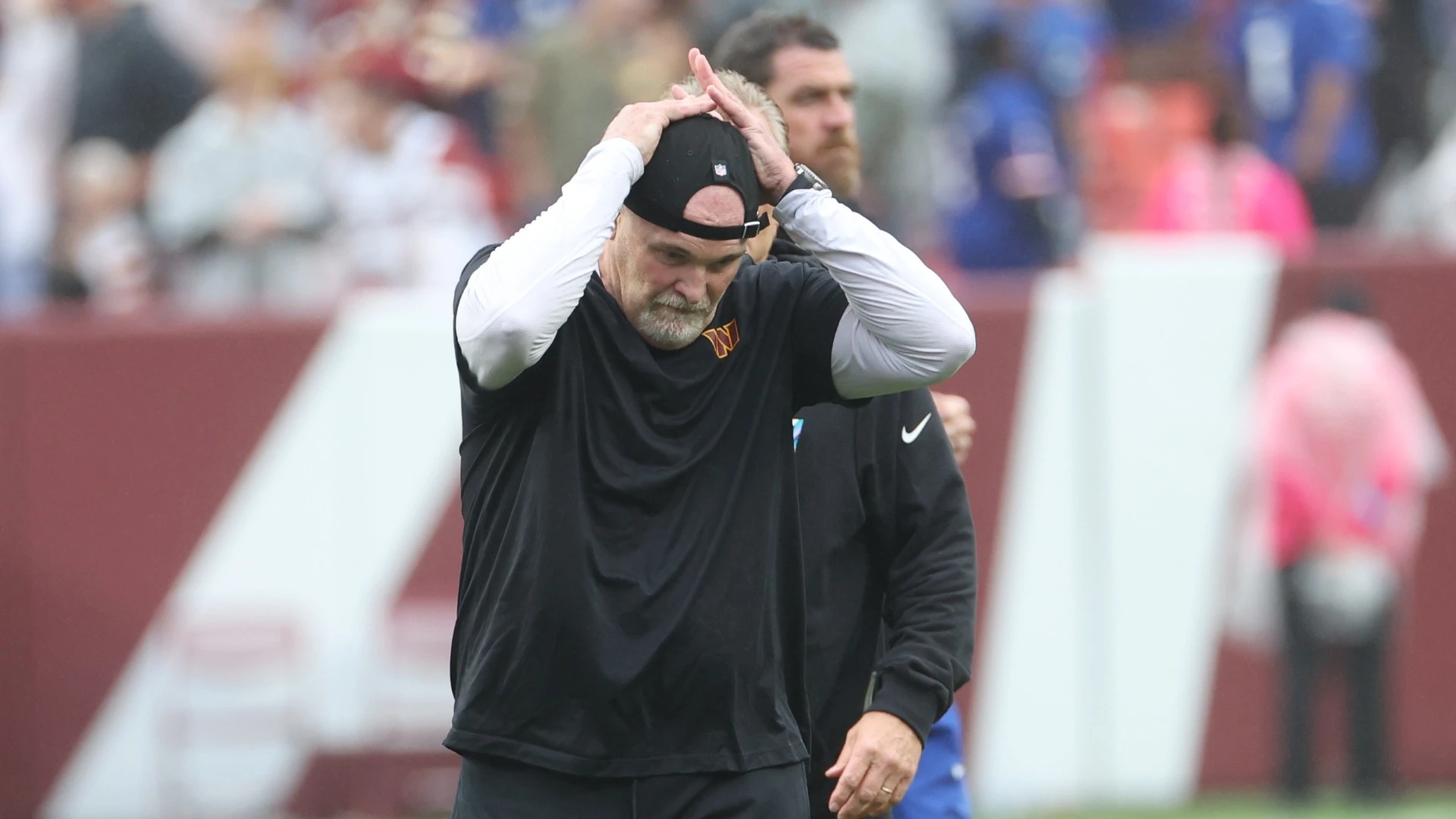
Communication was a major issue, especially with first-year, first-time play caller David Blough involved. The coaches needed to make the situation clear: Washington had no timeouts, the ball needed to be spiked, and the offense could not afford a sack or a running play. Quinn and Daniels both appeared dismayed after the game by how badly the situation was handled.
Philadelphia also faced criticism for a late-game special teams decision in London. With eight seconds left, the Eagles could have kicked the ball through the back of the end zone. Instead, they allowed Jacksonville an opportunity to gain field position for kicker Cam Little, who had made a 68-yard field goal a year earlier.
Because the Jaguars had no timeouts, their path into field-goal range would have required a completion near the sideline followed by the receiver getting out of bounds. Philadelphia could then have defended the sideline and forced Jacksonville to throw toward the middle of the field.
If the Eagles wanted to force a return and run time off the clock, their coverage unit needed to make the tackle. It failed to do so. Philadelphia had already allowed a long return on the opening kickoff when Josh Cameron ran back a touchdown that was erased by a penalty.
Nick Sirianni took responsibility after the game, but the Eagles were left confronting a game they appeared to have secured before letting it slip away.
BETTING NEWS
FUTURES

