


Breaking Down the Minnesota Vikings' Historic 65% Blitz Strategy

Marcelino Ortiz
Host · Writer
Segment Spotlight: Quick Hits From LatiNation Sports
How the Minnesota Vikings’ Aggressive Blitz Strategy Pressures Offenses
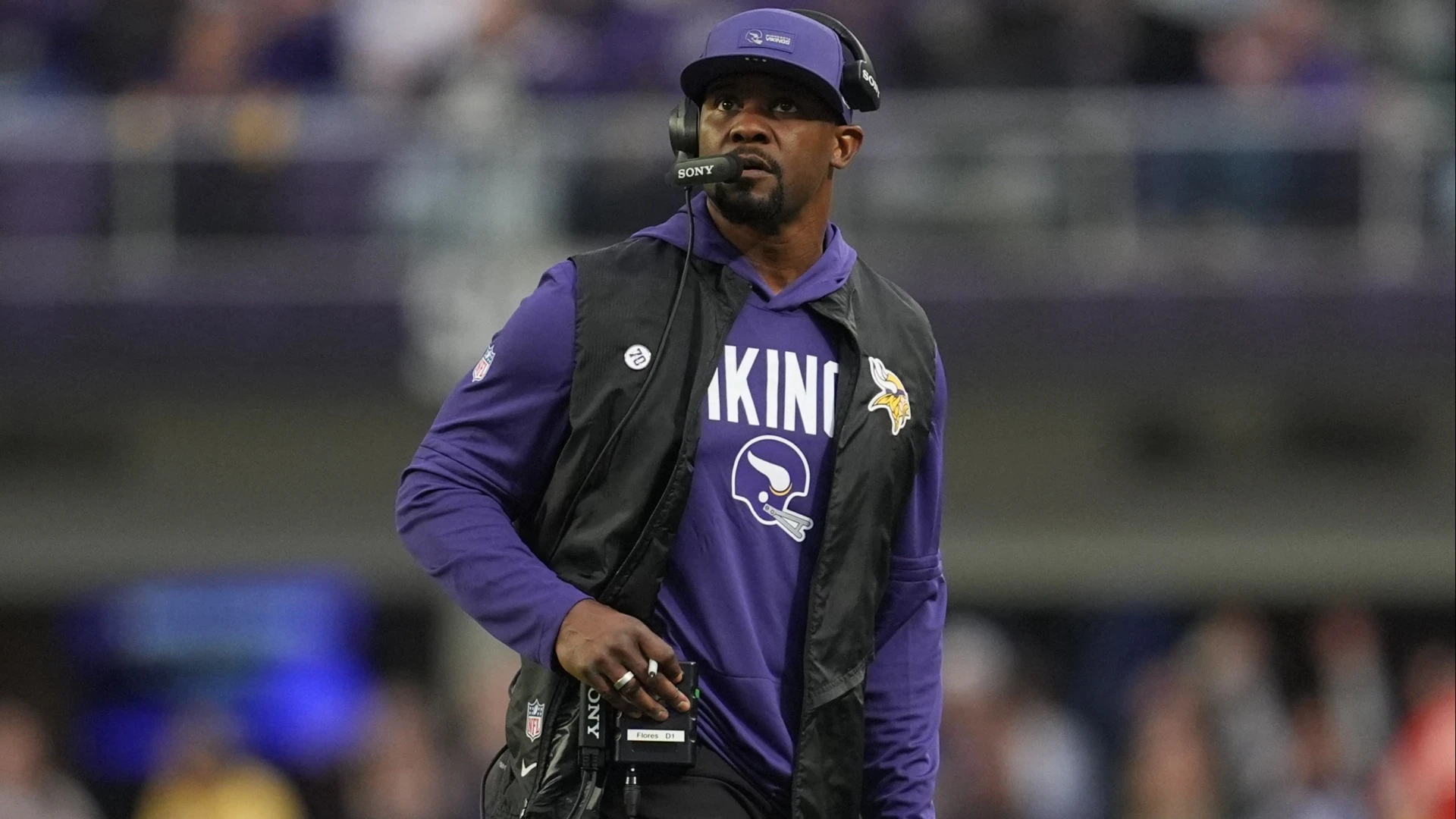
The Minnesota Vikings are blitzing 65% of the time, compared with 35% for the team in second place. Their aggressive approach has helped them produce sacks while maintaining a strong record.
On a standard defensive rush, four players—two defensive tackles and two defensive ends—pursue the quarterback. A blitz sends one or more additional defenders, such as linebackers or defensive backs. This can overwhelm the offense’s five protectors, but it also leaves fewer defenders in coverage.
The Vikings disguise their pressure by placing eight defenders near the line of scrimmage. The offensive line and quarterback cannot immediately tell which players will rush and which will drop into coverage. On some plays, a defensive lineman drops back while another defender attacks from a different position.
The strategy is based on risk versus reward. The defense may leave itself exposed in coverage, but the goal is to reach or disrupt the quarterback before he can complete his throwing motion. Even without a sack, immediate pressure can force a bad throw.
Offenses can respond by adding a tight end or running back to help with protection. They can also identify where the pressure is coming from and attack the area left open by the extra rushers. As the game progresses, the offense may recognize which receiver has one-on-one coverage and where the defense’s soft spots are.
Motion can help the quarterback determine whether the defense is playing man or zone coverage. If a defensive back follows a receiver across the formation, it signals man coverage. If the defender stays in place, it suggests zone coverage. Against a blitz, defensive backs can be left on an island and forced to stay with NFL receivers by themselves.
Zone coverage can be more dependable, but a patient offense may exploit its soft spots with short gains and steadily move down the field. At some point, the defense must attack rather than allow the offense to continue gaining yards through short passes and running plays.
BETTING NEWS
FUTURES
