


Tony Mandarich Discusses Pressure & Media Impact on His Career
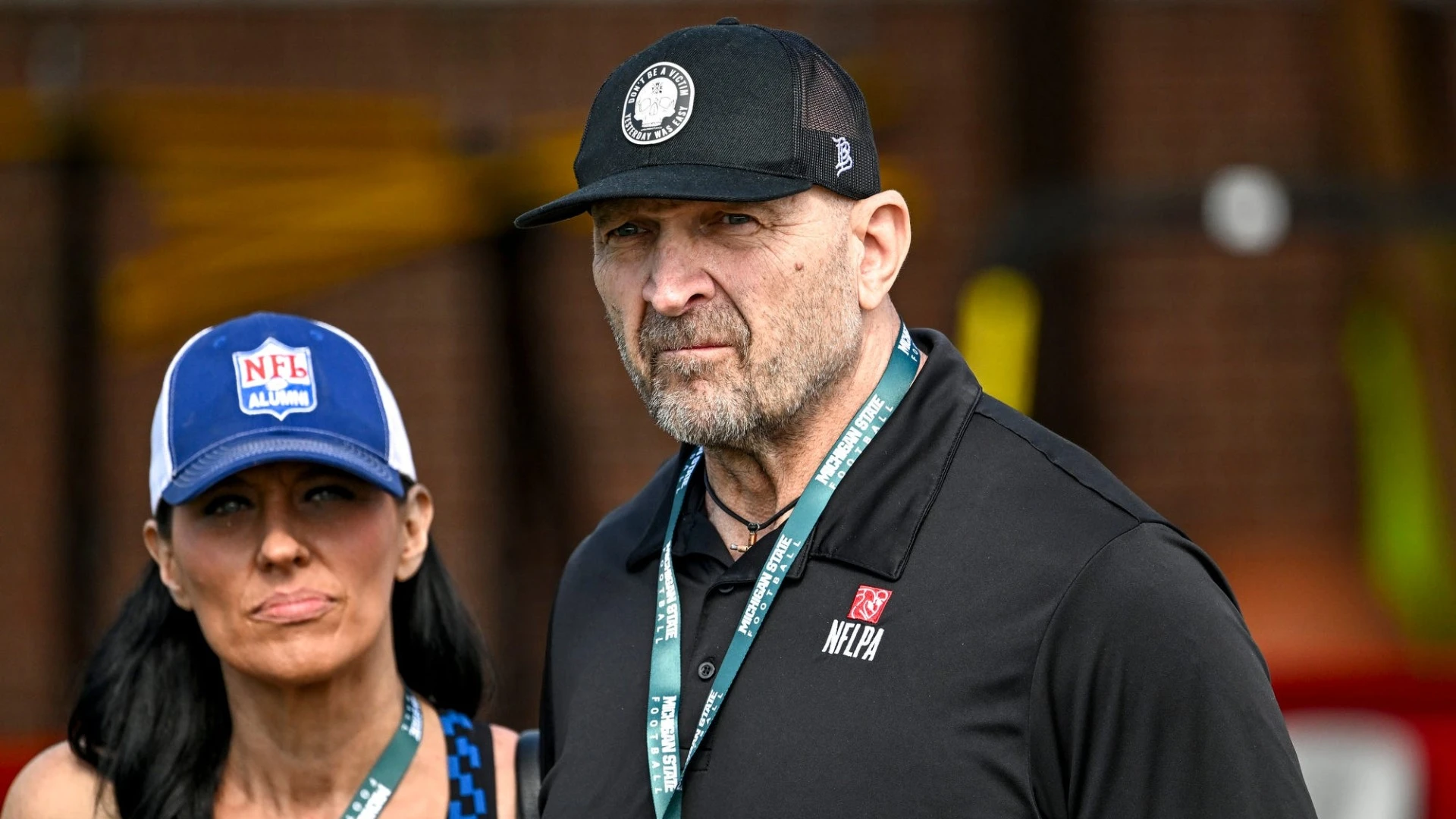
Segment Spotlight: Quick Hits From Outspoken With Dan Sileo
Tony Reflects on Pressure and Publicity: An Insightful Discussion on Athlete Branding
Tony discussed the incredible pressure he faced transitioning from a celebrated college athlete at Michigan State to a professional NFL player. Named to the All-Madden team and chosen as the second overall pick, he entered the National Football League amid high expectations. His journey highlighted the significant impact of media on athlete careers, especially during his early years in Green Bay. He associated this media attention with his own drive to gain publicity beyond traditional on-field achievements, attempting to stand out as an offensive lineman—a position typically noticed only during penalties.
Amidst the negotiations, a potential fight with Mike Tyson (courtesy of media hype) spurred more urgency in finalizing his contract with Green Bay. His appearance on the cover of Sports Illustrated not only amplified his fame but also placed him on platforms like the David Letterman Show and various sitcom cameos. Unfortunately, the mounting pressure led to struggles with alcohol and prescription painkillers, complicating his situation further. Tony candidly referred to these challenges as a "total train wreck" during his time in Green Bay.
Focusing on athlete branding, Tony noted the pioneering efforts in personal brand development during his era, mentioning figures like Brian Bosworth, Deion Sanders, and Michael Irvin. He recognized the influence these personalities had on him and the emerging focus on personal branding in sports during the 1980s—a trend that continues to evolve today. Despite his efforts to emulate their success, Tony expressed some regret on how these portrayals were handled, reflecting on his discomfort with his past public persona.
The conversation underscored how media dynamics and self-promotion have drastically shaped athletes’ careers and personal lives, reflecting a notable shift in the sports industry from on-field performance to comprehensive brand management.



BETTING NEWS
FUTURES

