


NIL, Player Rights, & the Protect College Sports Act

Dan Sileo
Host · Writer
Segment Spotlight: Quick Hits From Outspoken With Dan Sileo
Protecting Player Rights While Building a Roadmap for NIL
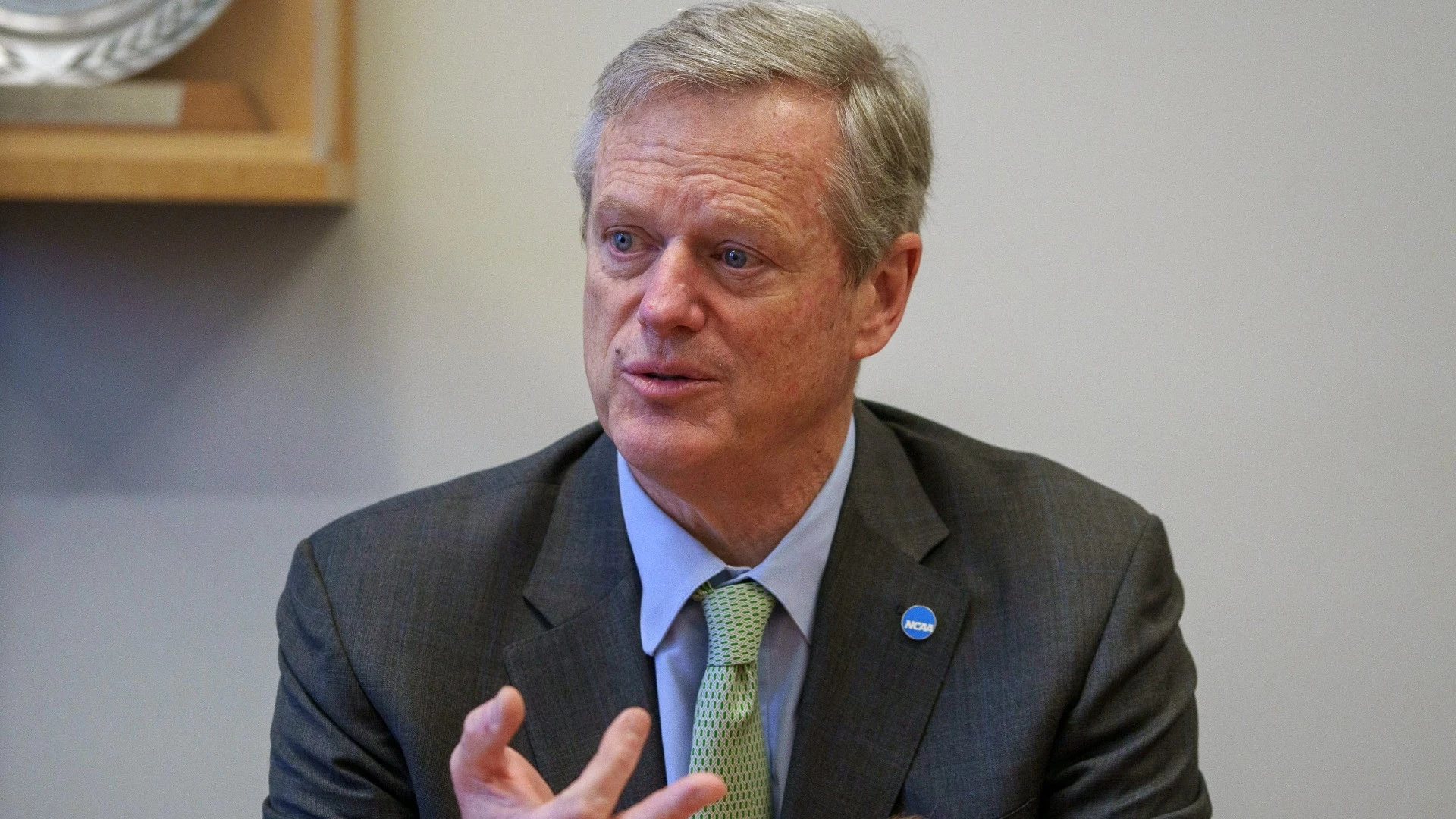
The Protect College Sports Act could limit players’ rights and financial earning potential. Although college sports need a roadmap and clear guidelines, players currently have little say in the proposed changes. Most of the discussion is being driven by Congress, coaches, and the NCAA.
Players need representation as television networks and other parties negotiate major deals involving college sports. A union, commissioner, or similar structure could help ensure that players have a voice. Unionization could begin at the conference or division level, establishing basic benefits such as meals, room, and board before addressing compensation.
A structured system would also need to consider how money reaches players throughout a roster. While some athletes earn millions, third-string players can still find opportunities by transferring to another program and earning significant NIL compensation.
Morgan and Morgan supports NIL opportunities for players. This football season, the organization is working with about 23 college players across the country and sponsoring schools including West Virginia, Tennessee, USC, and Oregon. Those sponsorship agreements allocate money directly to players.
The partnerships also include commercials, original content, and campaigns built around players’ social media platforms. Rather than simply contributing money to support football programs, the approach treats NIL as a marketing opportunity that can generate a strong return on investment.
BETTING NEWS
FUTURES

