


Examining NCAA's New Eligibility and Transfer Rules
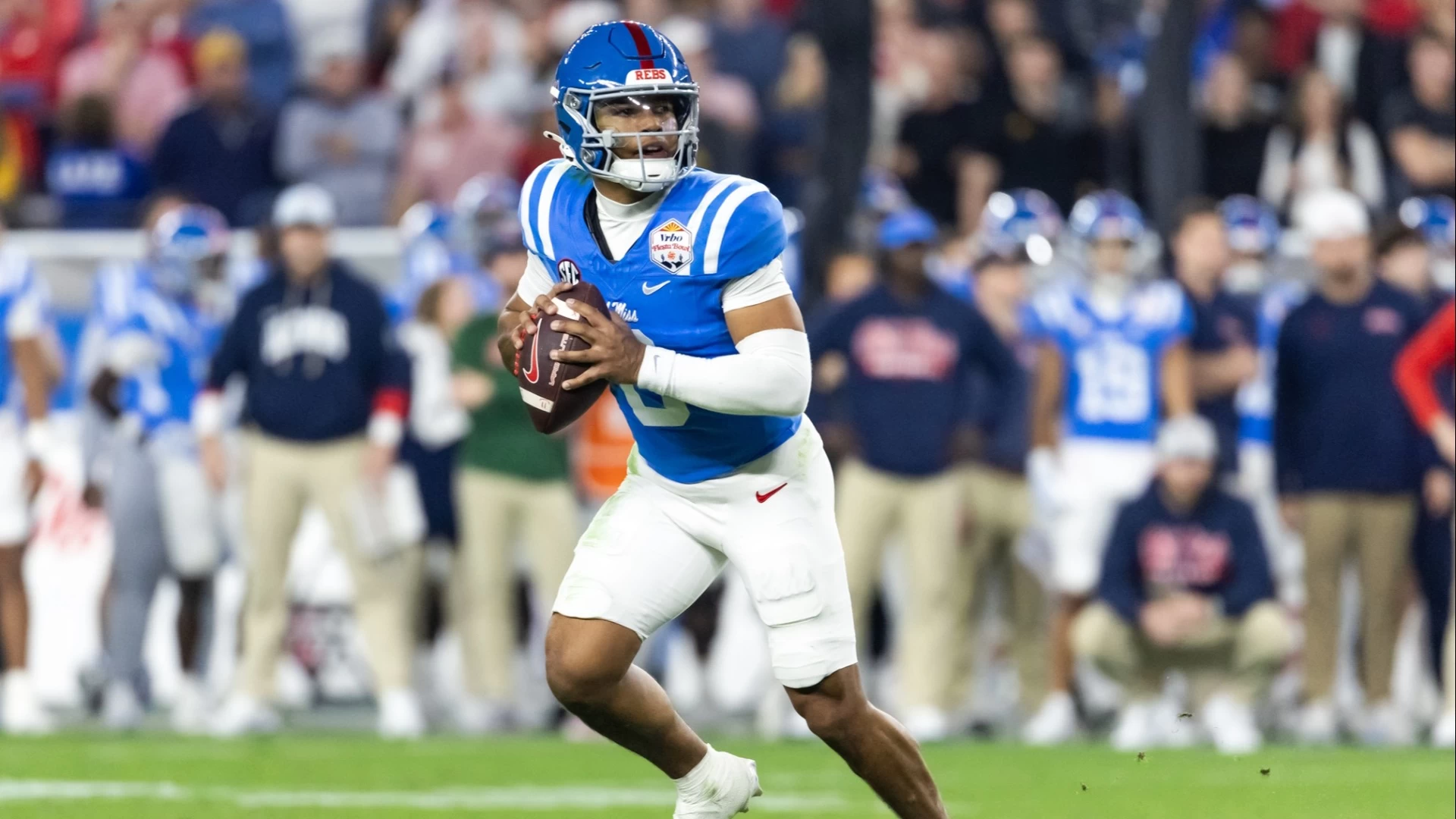
Segment Spotlight: Quick Hits From The Bobby Carpenter Show
College Sports Eligibility and Transfer Rules Discussion
During a recent discussion on college sports, particularly focusing on new eligibility and transfer rules, there were several key points raised related to executive orders and potential legislative changes. A working group is looking to incorporate some executive orders into legislation that could affect college athletes. Specifically, they are considering a rule that would allow athletes five years of eligibility post-high school or upon turning 19, along with a one-time free transfer. This aligns with a goal to simplify and organize the system, potentially leading to more structured and fair regulations for student-athletes.
Impact of Transfer Portals and Eligibility Extensions
The transfer portal and eligibility extensions were hot topics, emphasizing the need for balance in these areas. The discussion highlighted that while allowing a free first transfer could help athletes, requiring a sit-out year for subsequent transfers might significantly reduce the number of transfers. This could encourage athletes to commit to their programs longer. Additionally, the possibility of extending eligibility in extreme cases, such as severe injuries or serious health issues, was supported, albeit considered something that should remain rare.
Professionalization of College Sports
The conversation also touched on the evolving nature of college sports, especially regarding the financial aspects of being a college athlete. With some college players potentially earning more than their professional counterparts, the discussion underscored the substantial impact and value these athletes bring to their universities. This financial dynamic raises questions about the true amateur status of college sports and whether a more organized approach to professionalization is needed. The balance between maintaining academic commitments and the increasing commercialization of college athletics remains a complex issue.
Broader Impacts and Future Considerations
The broader implications for young athletes transitioning out of sports was also a point of concern, particularly the psychological and financial adjustments required when their athletic careers end prematurely. This highlights the ongoing need for support systems to help athletes adapt to life after sports. Furthermore, professionalizing college athletics while maintaining academic integrity and opportunities for athletes who might not make it to professional leagues is essential. This ensures they have viable career paths post-college, whether in sports or other fields.
Overall, these discussions reflect a growing recognition of the challenges and opportunities within college sports, indicating potential changes that could reshape the landscape in the coming years for the betterment of the athletes and institutions alike.




BETTING NEWS
FUTURES

