


2026 Draft Prep: Why Game Film Outweighs Combine Drills
Segment Spotlight: Quick Hits From The Bobby Carpenter Show
The Relevance of Combines, Drills, and Film in Football Drafts
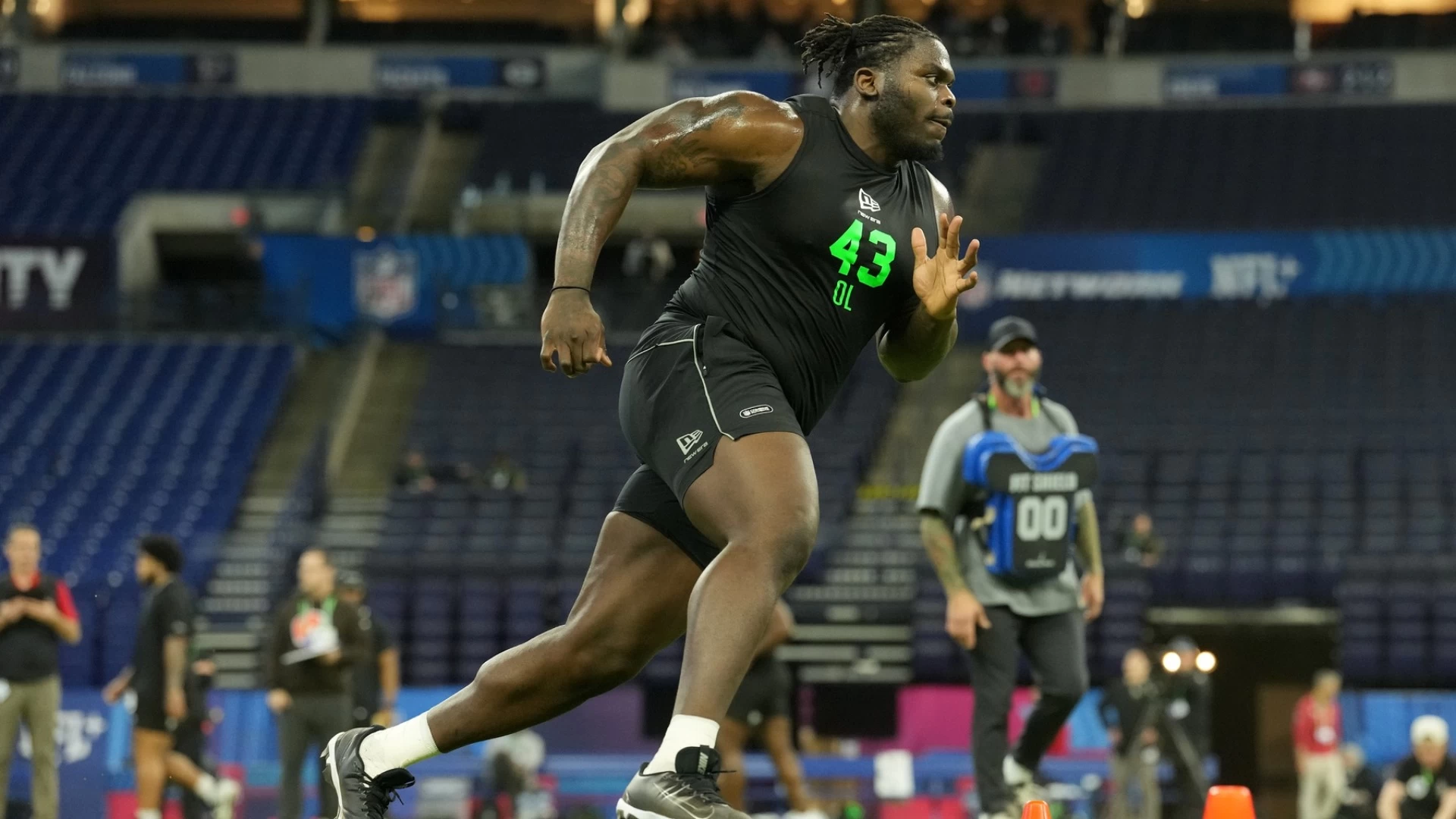
In a recent discussion on the Bobby Carpenter Show, the emphasis was on the comparative importance of game film over combine drills and metrics in evaluating football players for the draft. The consensus highlights that actual gameplay, captured on film, should weigh more heavily than impressive physical feats performed during combines. Bobby Carpenter leaned on examples like Zach Wilson, whose remarkable pro day performances did not quite translate to success on the field, labeling him as a "perennial backup quarterback." This pattern has been observed repeatedly, where players dazzle scouts with their physical attributes yet fail to deliver impactful performances during actual games.
The conversation also touched on the phenomenon of "combine warriors" - players who excel in the controlled environment of a combine but may not necessarily have the football acumen to succeed at a professional level. While acknowledging that physical tests might indicate potential, the real testament to a player's ability is their proven performance in game situations. Carpenter reflected on his own experience, noting that while he excelled in tests like the broad jump and shuttle runs, he prioritized his gameplay, ensuring he was always near the football, embodying the essence of a defensive player.
The show wrapped up with thoughts on Caleb Downs, a player noted for his exceptional tackling skills rather than measurable speed, as he did not run a 40-yard dash. Carpenter supported the evaluation tactic which considers a defensive player’s proximity to the football at the end of a play, reinforcing the idea that practical, in-game action should be the ultimate measure of a player’s capability and value.
Ultimately, the dialogue underscored a significant shift in player assessment philosophies, advocating for a more balanced approach that favors proven on-field effectiveness over mere athletic prowess displayed during combines.



BETTING NEWS
FUTURES

