










Lakers' Future Dilemma: Is the Roster Not Good Enough?

Joe Raineri
Host · Writer
Segment Spotlight: Quick Hits From The Early Line Live
Challenges and Decisions Facing the Los Angeles Lakers
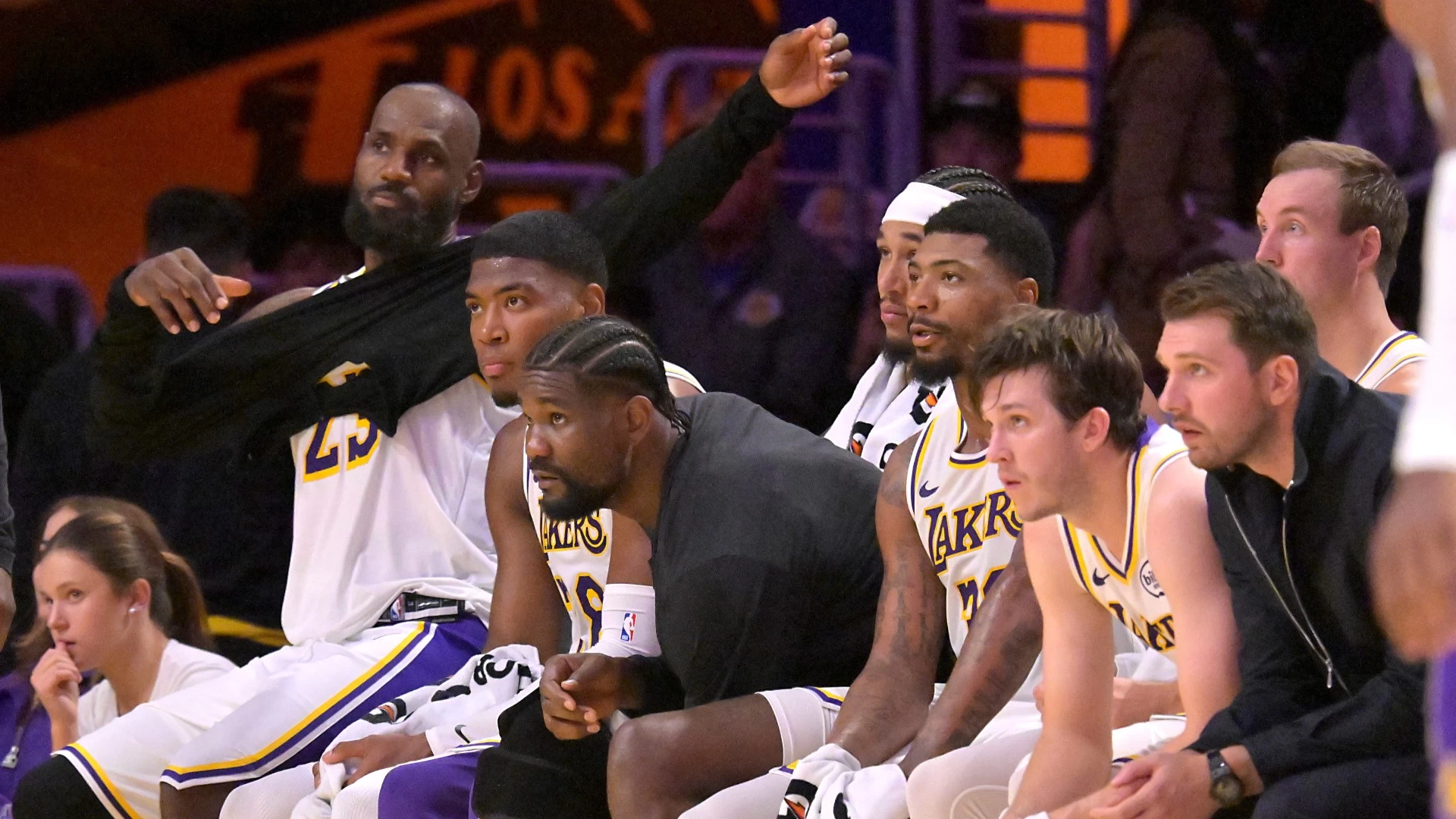
An anonymous source from the Los Angeles Lakers’ locker room recently expressed doubt about the team's current capacity to compete, stating, "We don't have enough to compete." This sentiment raises questions about the team's strategy moving forward, especially in light of General Manager Rob Polinka's intentions to possibly retain key players and "run it back."
Polinka has shown interest in having JJ Redick, Austin Reeves, and LeBron James return to the squad, which suggests a desire to maintain the core personnel. However, this approach is not void of complications. Austin Reeves, previously considered a bargain for the team, is no longer in that category with a substantial contract offer of 5 years for $240 million discussed. Such a contract presents a significant financial commitment, which might limit the Lakers’ ability to adjust their roster effectively. Paying substantial salaries to both LeBron and Reeves could stymie further strategic signings or roster improvements.
Historically, the Lakers have struggled with formulating impactful decisions, particularly noted in the years prior to LeBron James joining the team. These were years marked by a notable failure to attract top free agents, exemplified by LaMarcus Aldridge’s outright refusal to even meet with the team. LeBron's arrival in Los Angeles was a pivotal change, driven not by the front office’s acumen but by his own decision to join and transform the team. His influence has also been credited with drawing other key players like Anthony Davis to the club.
There has been considerable debate about the effectiveness of the Lakers' decision-making, especially with moves like acquiring Russell Westbrook, which are often attributed to LeBron’s influence rather than the front office's strategic planning. The discussion around trading Austin Reeves illustrates the current dilemma: while trading him in the offseason could have secured valuable assets and allowed for better financial maneuvering, retaining him now requires a maximum salary commitment.
The organization seems very much focused on short-term strategies, often centering around LeBron’s tenure, without a clear long-term vision, especially concerning the anticipated transition period post-LeBron. Despite recurring mentions of cap space, the tangible benefits of this strategy in attracting significant free agent talent remain to be seen.
In summary, the Los Angeles Lakers appear to be at a crossroads, with significant decisions to make about their roster composition and financial commitments. How they navigate these challenges could very well shape their immediate competitive edge and their longer-term viability in the NBA.





BETTING NEWS
FUTURES

