


The Dilemma of Prioritizing Future Over Present in Sports

Craig Mish
Host · Writer
Segment Spotlight: Quick Hits From Game Time Decisions
The Ongoing Debate: Investing in the Present vs. the Future in Sports Teams
The discussion around whether sports teams should focus on immediate success or long-term potential continues to spark debate. This is evident in the contrasting approaches of various teams across different leagues. Boston, for instance, has demonstrated a commitment to winning in the present by significantly investing in players like Rushman, signaling a clear intention to compete at the highest level, regardless of cost. Their aggressive strategy contrasted sharply with their previous management, which traded established stars like Mookie Betts for prospects under Chaim Bloom's leadership.
After Bloom's tenure, which was characterized by accumulating prospects rather than making all-in bets for immediate success, Boston shifted gears by hiring Craig Breslow. Breslow inherited Bloom's roster but adopted a more assertive strategy focused on winning now. This shift underscores the differing philosophies within the same organization over a short period.
However, teams like Minnesota have adopted a more cautious approach, neither fully committing to the present nor completely dismissing it. This halfway stance raises questions about the effectiveness of such strategies in building a loyal fan base and achieving long-term success.
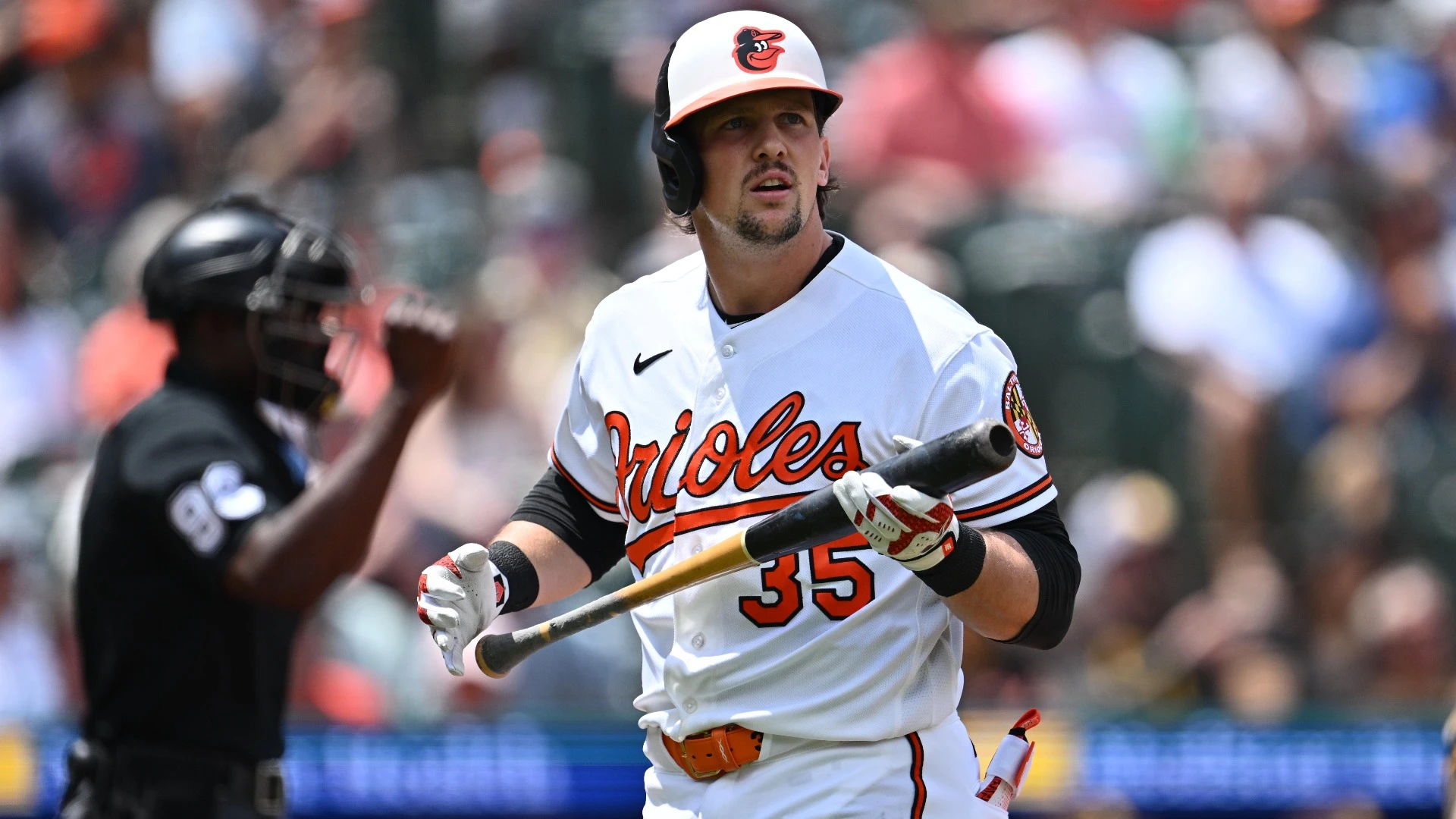
Moreover, the strategy of prioritizing the future over the present is not uniformly applicable across all markets. In cities like New York, Boston, and Philadelphia, the pressure and expectation to compete for championships are so high that a full rebuild is almost out of the question. This is contrasted by the current situation in Baltimore, where the debate about prioritizing the present over the future is most pronounced, reflecting the varying levels of urgency and expectation across different markets and sports teams.
The ongoing shifts in team management philosophy highlight the challenges and complexities of balancing short-term success with long-term sustainability in professional sports. As teams oscillate between these strategies, the fans' patience and loyalty are often tested, making the management's task of selling their vision to the fanbase increasingly difficult.



BETTING NEWS
FUTURES

