










David Samson on the Impending Work Stoppage in Baseball
Segment Spotlight: Quick Hits From Outspoken With Dan Sileo
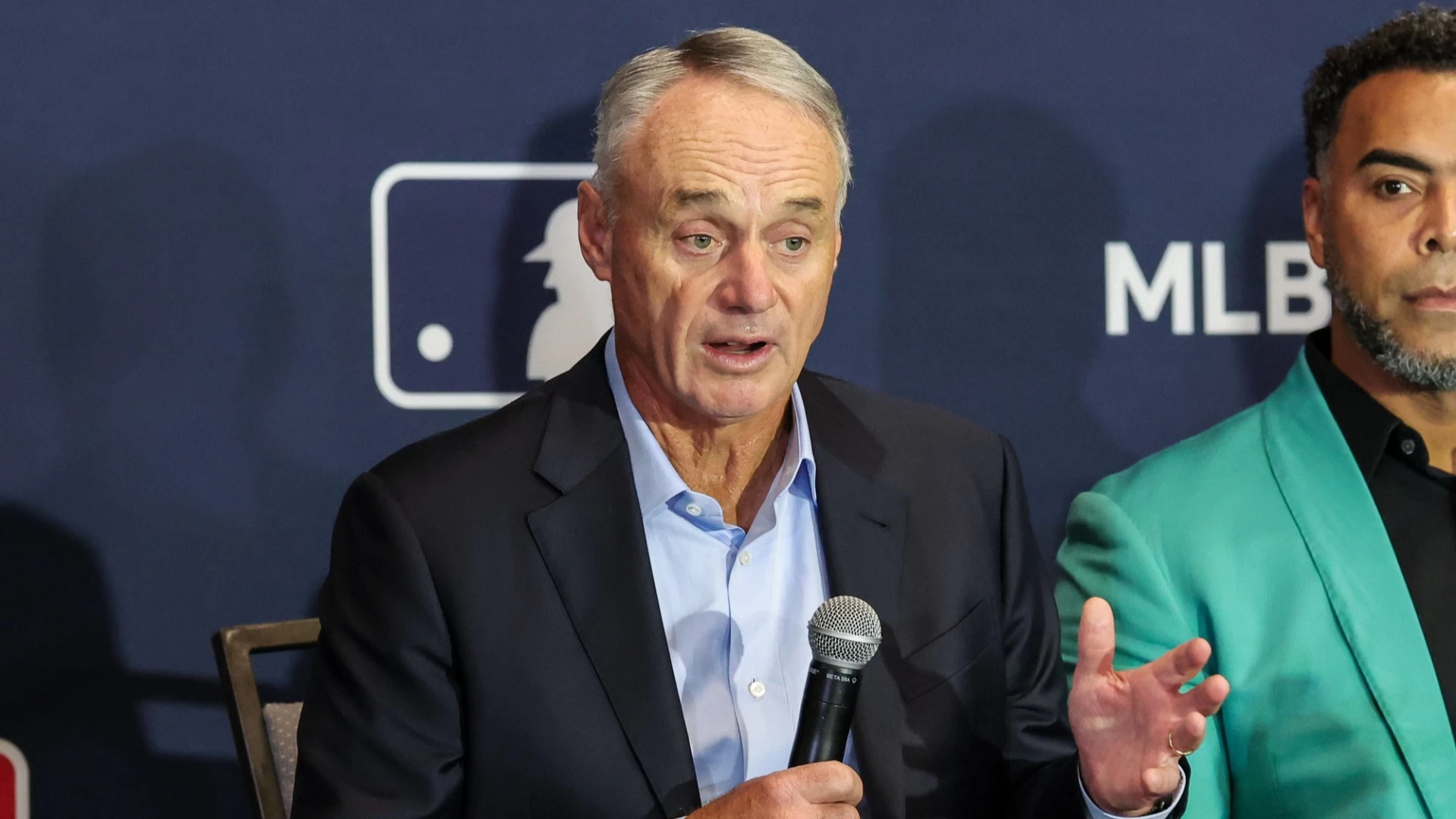
The Impending Work Stoppage in Baseball: Examining the Underlying Issues
The potential for a work stoppage in baseball is drawing attention not because of the high franchise valuations but due to deeper economic disparities within the sport. It's crucial to understand that franchise valuations, such as the Padres' $3.9 billion price tag, do not directly equate to the overall health of the industry. These valuations often result from the desire to join an exclusive club rather than an indicator of a team's financial success or the economic stability of the league.
Significant concerns leading toward a work stoppage revolve around labor issues that are not necessarily tied to these high valuations. Instead, the focus should be on the vast discrepancies in team payrolls and the impact such disparities have on competition. For instance, while the Dodgers support a substantial payroll of $515 million including taxes, the Marlins manage with a comparatively modest $70 million. This discrepancy contributes to a competitive imbalance where certain cities start the season without realistic hopes of success, pointing to a strong correlation between payroll and winning.
During the discussion, the concept of a salary cap in baseball was raised, addressing whether such a regulation could serve as a solution to these disparities. Contrary to a rigid salary cap system, a more flexible mechanism involving penalties for exceeding certain payroll thresholds (referred to humorously as a 'collar' rather than a cap) and enhanced revenue sharing might better serve to level the playing field. Such adjustments aim to ensure a more equitable distribution of competitive opportunities across all teams and their fan bases, echoing the broader need for structural changes within the sport's economic framework.










BETTING NEWS
FUTURES

