


Ryder Cup Insights: Analyzing Player Matchups & Strategies

Smylie Kaufman
Host · Writer
Segment Spotlight: Quick Hits From The Smylie Kaufman Show
Key Strategies in Golf: Importance of Power Matchups and Managing Player Energy
In a recent discussion, the focus was on identifying effective power matchups in golf, emphasizing the advantages of pairing a long driver with strong iron players and putters. It was noted that Europe’s team at the Ryder Cup performed well in this aspect by strategically aligning their team members based on driving distance, challenging the common perception that the U.S. team generally drives longer.
Particular attention was given to players like Justin Rose and Tommy Fleetwood, who matched up closely with Bryson DeChambeau in terms of driving distance. This was significant at Beth Page, where conditions such as a plugging ball neutralized some of the expected advantages of longer drives. The discussion highlighted the importance of not overestimating distance advantages and considering environmental factors that might affect play.
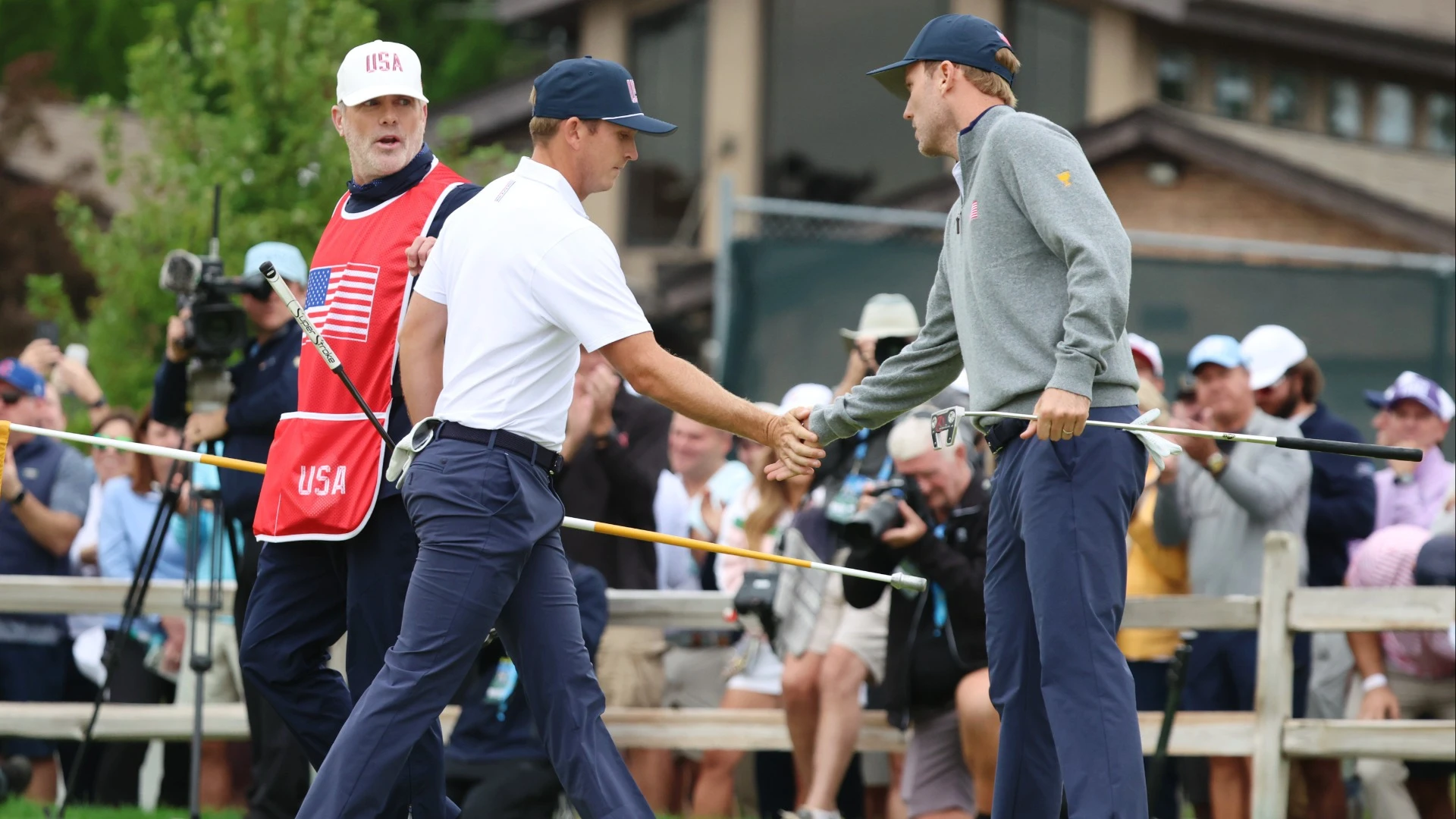
The conversation also covered the physical and mental demands on players during tournaments, using the example of Wyndham Clark and Sam Burns at the Ryder Cup. The strain of playing multiple matches over consecutive days was evident, impacting their energy and performance towards the end. This led to a broader discussion on the necessity for team captains to monitor their players' freshness and energy levels, especially when strategizing for matches that span over several days.
Furthermore, the dialogue touched on the challenges posed by the turf conditions at certain venues, affecting even the best players' short game. The type of grass and the firmness of the ground can significantly alter the execution of chips and pitches, underscoring the need for players to adapt their techniques to the playing environment.
Lastly, the segment concluded with insights into the pressure and difficulties of performing well on live television, sharing personal experiences and the mental hurdles athletes face in high-stakes moments. This not only provided a glimpse into the psychological aspects of golf but also revealed how external conditions and pressures contribute to the overall challenge of the sport.




BETTING NEWS
FUTURES

