










Political Candidates Face Scrutiny Over Prediction Market Trades

Craig Mish
Host · Writer
Segment Spotlight: Quick Hits From NewsWire Live
Political Candidates Banned for Trading on Their Own Elections: A Strategy to Expose Flaws?
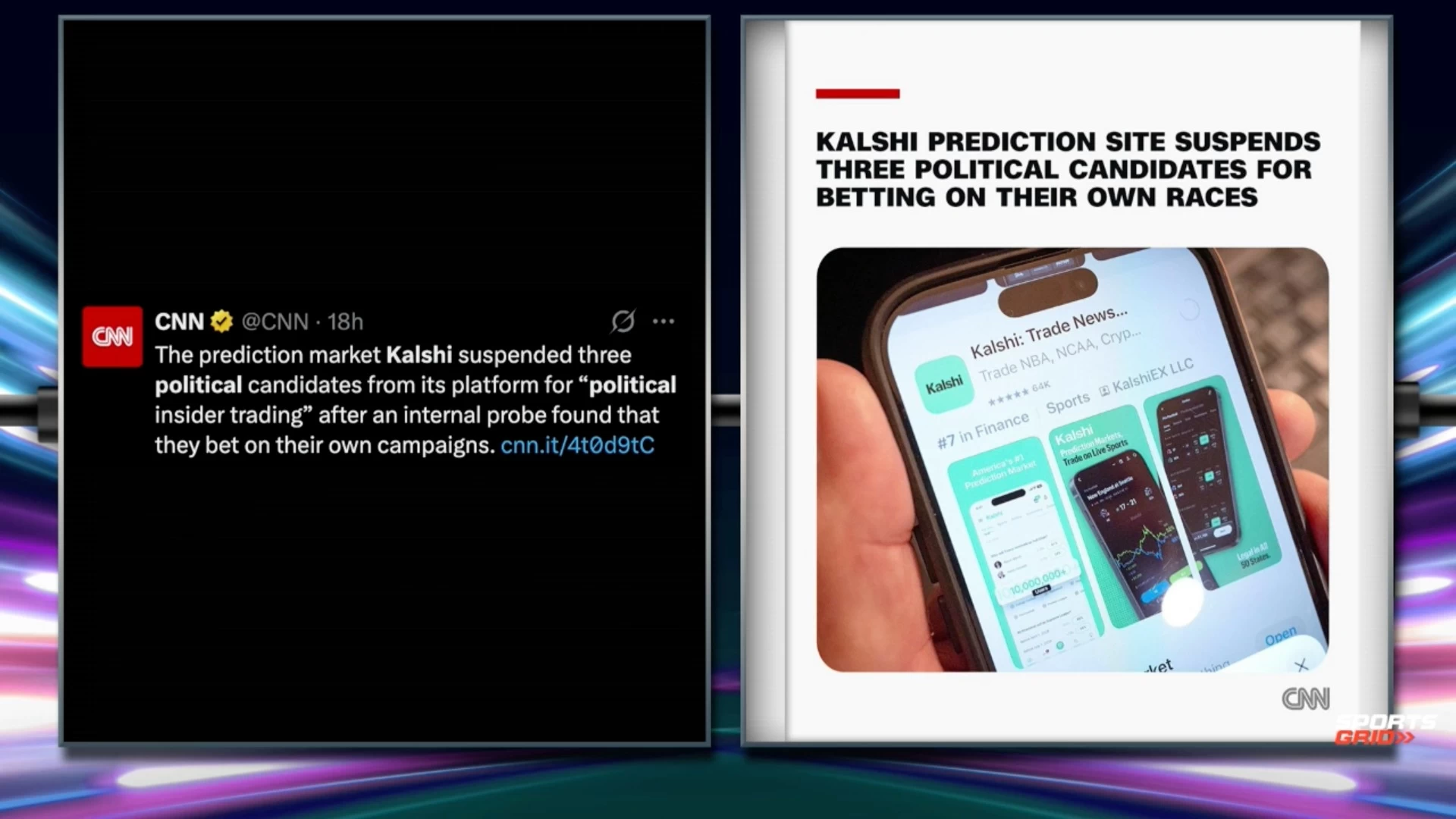
Calci has recently banned three political candidates for trading on their own elections. Surprisingly, a couple of them have claimed their actions were intentional, aimed at exposing the flaws in the legality of such activities. They argued that by getting caught, they hoped to highlight the ethical questions surrounding prediction markets and provoke stronger regulation.
The candidates’ peculiar stance brings to the forefront ongoing debates about insider trading in prediction markets. Notably, the Commodity Futures Trading Commission (CFTC) has already responded by calling for tighter internal guidelines and enforcement mechanisms on these platforms.
Among those banned, Minnesota State Senator Matt Klein, who is running for a U.S. House seat, and Ezekiel Enriquez, a Representative candidate from Texas, have both been suspended for five years and faced minimal fines from Calci. In contrast, Mark Marone, who openly admitted to trading for the explicit purpose of getting caught, faces a substantial fine of $6,000 and the same suspension period.
This development raises complex questions about the intentions of public officials and the ethical dimensions of prediction markets. Further exploration of these incidents could lead to more definitive insights into whether these were indeed calculated acts of protest or merely opportunistic gambles.
The controversy continues to unfold, with potential further implications for both the political figures involved and the broader regulatory landscape of prediction markets.








BETTING NEWS
FUTURES

